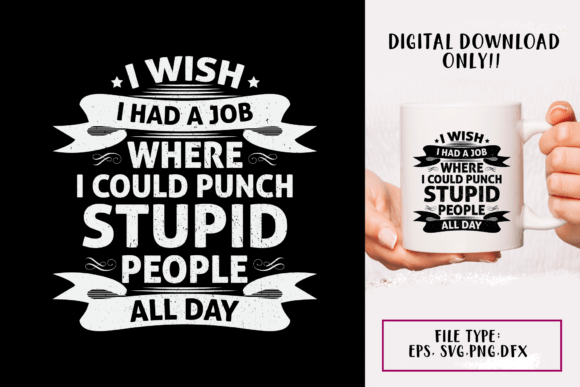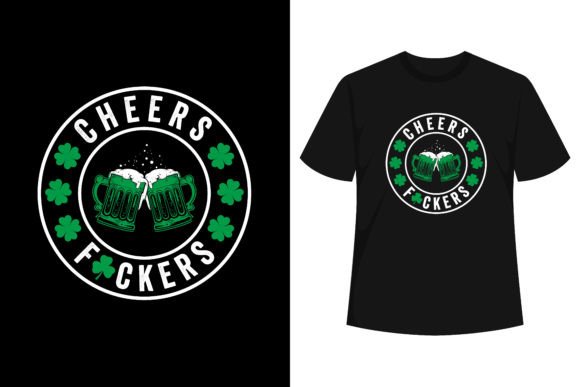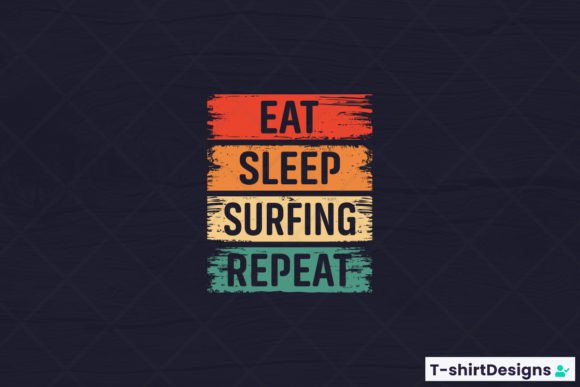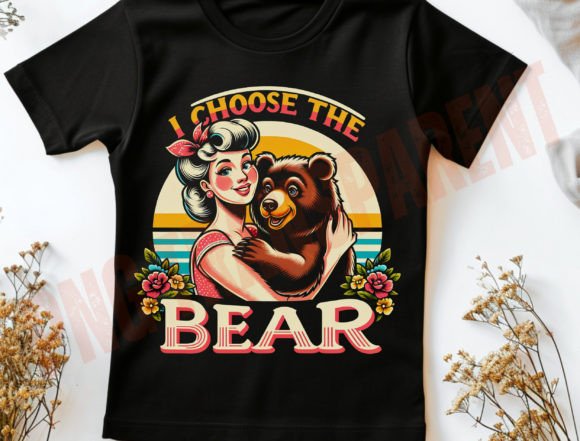
Funny T-Shirts Embroidery Review
As a professional designer who spends more time staring at stitch charts than actual screens, I approach every new digital asset with a healthy dose of skepticism. The market is flooded with "ready-to-stitch" files that look great on a monitor but fall apart under the needle. When I first pulled up Funny T-Shirts, my initial instinct was to check the layout for complexity and humor balance. This isn't just another generic graphic; it carries a specific personality that demands careful consideration before committing thread to fabric.
The product description notes that this is an Editable 1 file intended for personal or business use, which immediately signals versatility. For those of us running small shops or crafting personalized gifts, that flexibility is crucial. However, visual appeal in a static image does not always translate to embroidery success. My review focuses on how this design behaves in real-world applications, from boutique merchandise to heartfelt handmade presents.
First Impressions and Visual Personality
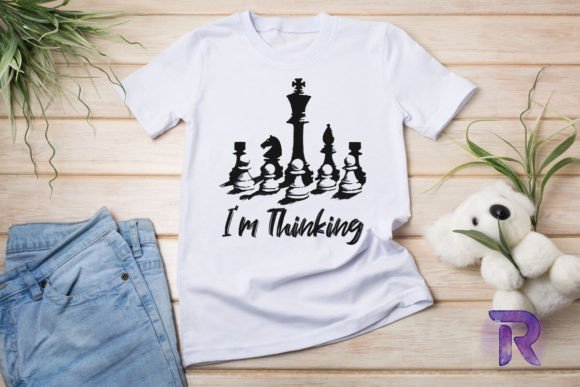
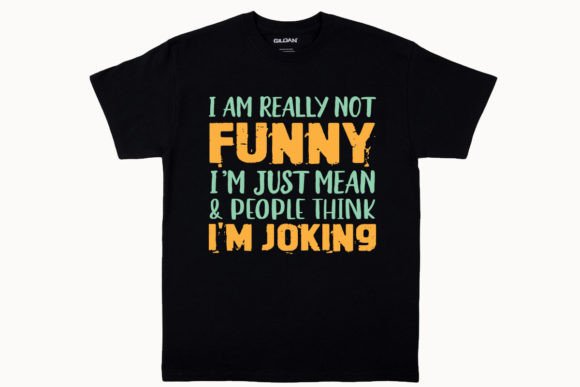
The moment you engage with the Funny T-Shirts concept, the mood is lighthearted yet polished. It avoids the cluttered aesthetic that often plagues cheap novelty designs. Instead, it relies on clean lines and a clear focal point. In embroidery, negative space is just as important as filled areas, and this design understands that well. The visual weight is distributed in a way that suggests it will hold its shape without becoming a stiff, plastic-like blob after stitching.
For an embroidery project aiming to sell or gift, the "funny" aspect needs to be readable instantly. If the humor relies on tiny text or overly intricate details that get lost in the stitching process, the impact is lost. From what I can discern, this T-Shirt Designs category entry prioritizes legibility. It feels like a design that belongs on a chest logo or a centered back print, where the viewer has a moment to appreciate the wit before moving on. It strikes a balance between casual fun and professional presentation, making it suitable for a wide range of audiences.
Real-World Application Scenarios
To truly evaluate a machine embroidery design, we have to imagine it on various substrates. Let’s walk through a few scenarios where Funny T-Shirts could shine—or stumble.
Casual Apparel and Streetwear
The most obvious application is, naturally, apparel. Whether you are creating custom tees for a local band, a corporate retreat, or a family reunion, this design offers a relaxed vibe. On a standard cotton tee, the contrast between the thread and fabric will likely pop, especially if you choose complementary thread colors. However, because it is labeled as a t-shirt design, keep in mind that the scale might feel intimate on larger garments unless scaled up appropriately. Always preview your digital embroidery file at actual size to ensure the proportions feel right on the human body.
Home Decor and Lifestyle Items
One trend I’ve seen gain massive traction among Etsy sellers is taking apparel graphics and applying them to home goods. Imagine Funny T-Shirts embroidered on a heavy canvas tote bag design or a kitchen towel. The humor translates surprisingly well here, turning a mundane object into a conversation starter. For a handmade product like a tea towel, the design adds a touch of whimsy that appeals to buyers looking for unique, non-mass-produced items. Just be mindful of the fabric texture; linen or woven cotton towels can distort fine details if the stabilizer isn’t chosen correctly.
Accessories and Patches
This design also lends itself beautifully to smaller projects. An embroidered patch featuring this motif could be sewn onto denim jackets, backpacks, or beanies. The compact nature of many funny t-shirt graphics means they often fit well within standard hoop sizes without requiring excessive digitizing adjustments. For a small shop product like a cap or hat, the curvature of the fabric requires careful tension testing. If the design has sharp angles, ensure the digitizer accounted for the curve so the letters don’t stretch awkwardly.
Technical Considerations and Fabric Compatibility
Not all fabrics play nice with all designs. While Funny T-Shirts appears robust, there are specific situations where caution is advised.
- Stretchy Fabrics: If you plan to stitch this onto jersey knit or spandex blends, you must use a strong cut-away stabilizer. Stretchy fabrics tend to pucker around dense stitch areas, which can ruin the crispness of the design.
- Textured Materials: Avoid using this on heavily textured fabrics like bouclé or thick chenille unless you are prepared for a very abstract result. The definition of the graphic may be lost in the weave.
- Dark vs. Light Backgrounds: The design’s effectiveness will vary depending on your background. On dark fabric, you’ll need a substantial underlay or jump stitches to prevent thread show-through. On light fabric, the design might look cleaner, but ensure your top thread colors provide enough contrast against the base material.
- Small Hoop Sizes: If you are working with limited hoop space, inspect the corners of the design. Tight corners can sometimes lead to thread breaks or messy finishes if the machine cannot navigate the turns smoothly.
Stitch Quality and Detailing
In my experience, the difference between a good design and a great one lies in the stitch density and the use of different stitch types. A well-digitized file will mix satin stitch for outlines and lettering with fill stitch for larger colored areas. This variation creates depth and prevents the finished product from feeling flat.
If Funny T-Shirts utilizes a mix of running stitch for delicate accents and denser fills for the main elements, it will stand out. However, if the entire design is a solid block of satin, it may become too rigid for comfortable wear. Check the stitch density carefully; overly dense areas can cause needle breakage, especially on thinner fabrics. If the design includes tiny details, test them first. Sometimes, what looks like a simple dot in software becomes a frustrating cluster of threads in reality.
Practical Advice for Designers and Sellers
Before you rush to produce inventory or fulfill orders, follow these practical steps to ensure quality control:
- Test on Scrap Fabric: Never skip this step. Stitch the design on the exact same fabric and stabilizer combination you plan to use for the final product. This reveals issues with puckering, tension, or color bleeding that software previews cannot show.
- Check Black and White Mockups: Convert your design to grayscale to check contrast. If the elements blend together, you may need to adjust thread colors or add more spacing between elements.
- Review Licensing: Although the description mentions business use, always double-check the specific license terms. Some design assets allow commercial use only on a limited number of items, while others require a separate commercial license for unlimited production.
- Inspect Small Details: Zoom in on the digital file. Are there any stray nodes or unnecessary jumps? A clean file saves time and reduces thread waste during production.
- Consider the End User: Think about how the customer will care for the item. Frequent washing can fade threads or cause distortion. Ensure your finishing techniques, such as proper trimming and pressing, extend the life of the finished product.
Final Verdict
Funny T-Shirts is a versatile and engaging option for designers looking to add a touch of humor to their collections. Its clean layout and adaptable theme make it suitable for everything from personalized gifts to commercial embroidery projects. By paying attention to fabric choice, stabilizer selection, and stitch quality, you can transform this digital asset into a high-quality physical product that customers will love.
Whether you are an experienced pro or a hobbyist exploring graphics for the first time, this design offers a solid foundation for creativity. Just remember: the best embroidery comes from thoughtful preparation and a willingness to test. Happy stitching!