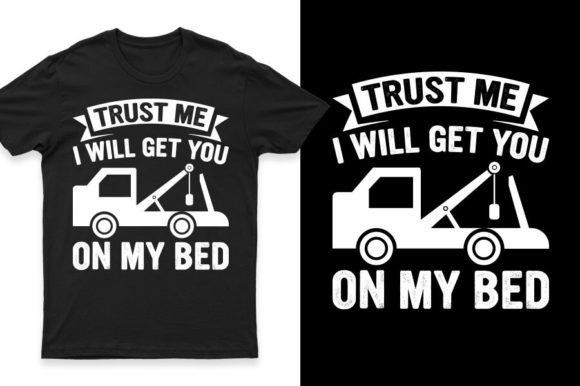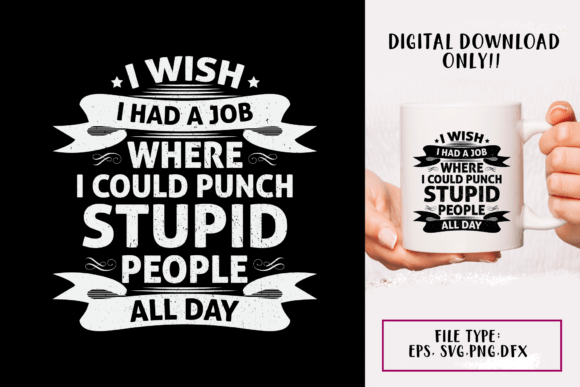
Review: Funny Birthday T-Shirt Design for Embroidery
As a designer who spends more time staring at stitch density charts and fabric swatches than scrolling through social media, I approach every new digital asset with a healthy dose of skepticism. The market is flooded with "instant download" graphics that look great on a screen but fall apart under the needle. Today, I am evaluating a specific T-Shirt Designs asset titled Funny T-shirt, Funny Birthday T-shirt. This listing promises a comprehensive suite of file formats, including vector sources and high-resolution PNGs, aimed at the serious crafter or small business owner looking to add a bit of humor to their inventory.
My goal here is not just to tell you what the files are, but to evaluate how this machine embroidery design holds up when translated from a digital graphic into a physical, stitched reality. We will look at its potential for custom apparel, its viability as a personalized gift, and whether it has the visual weight to stand out in a crowded craft fair booth or Etsy shop.
First Impressions: Mood and Visual Personality
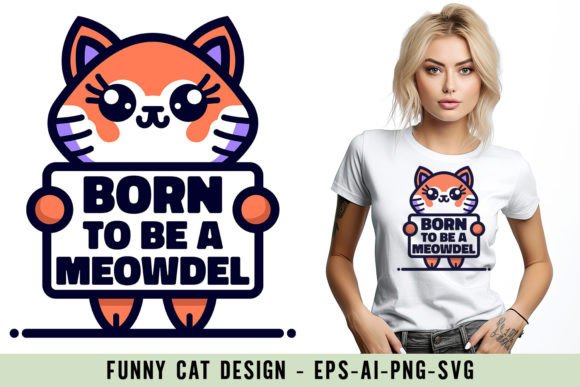
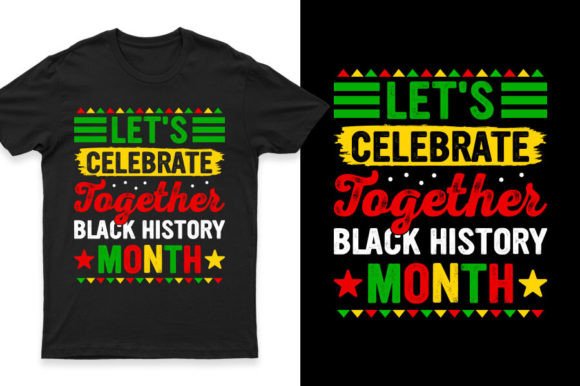
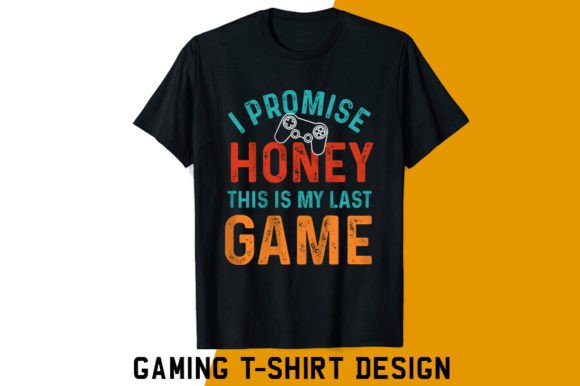
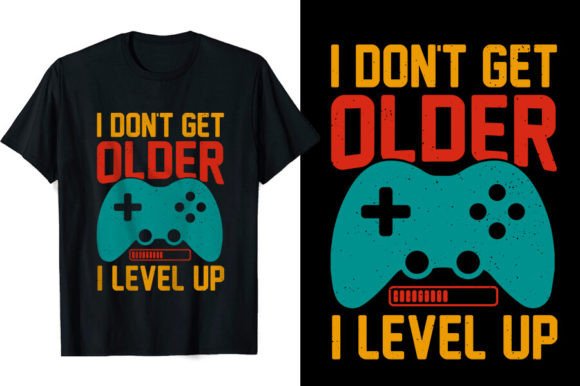
The title suggests a lighthearted, perhaps slightly irreverent tone. In the world of embroidery project planning, mood is everything. A design that feels too stiff often fails to connect with the wearer, while one that is too chaotic can become illegible when stitched. From the preview assets provided, this design leans heavily into the "funny" aspect, likely utilizing bold typography or a playful illustration style common in birthday-themed Graphics.
For an embroiderer, the immediate question is always legibility. Does the design have enough negative space? Are the curves smooth enough to prevent puckering? The inclusion of Ai “Vector file” and Eps file formats is a strong indicator of quality. It suggests the creator prioritized clean lines over rasterized pixelation. This matters immensely when we are talking about converting a digital image into an embroidery file where every anchor point determines a stitch path. If the original vector is messy, the resulting digitization will be jagged and prone to thread breaks.
Real-World Application: Beyond the T-Shirt
While the product name explicitly mentions a T-shirt, limiting your thinking to standard cotton tees is a missed opportunity. A well-executed humorous design like this can elevate various handmade product categories. Let’s walk through a few practical scenarios where this design could shine.
The Custom Sweatshirt Embroidery Project
Birthday gifts often skew towards cozy items. Imagine stitching this onto a heavyweight fleece sweatshirt. The contrast between the soft texture of the fleece and the structured sheen of the embroidery thread creates a premium feel. However, you must consider the stitch density. Heavy fabrics require robust stabilization to prevent the garment from warping around the hoop area. If this design uses heavy fill stitch areas, ensure you are using a cut-away stabilizer to maintain integrity over time.
The Embroidered Patch and Cap Combo
Another strong use case is creating a detachable patch. By stitching this design onto a separate piece of backing material, you can create a versatile accessory. This patch could then be ironed or sewn onto a denim jacket, a canvas tote bag design, or even a baseball cap. When working with curved surfaces like caps, the layout of the text becomes critical. You need to ensure that the hoop size accommodates the curve without distorting the lettering. If the design includes intricate details, they may get lost on the rounded front panel of a hat, so testing on scrap fabric first is non-negotiable.
Baby and Nursery Decor
Humor translates surprisingly well to baby items, especially for parents with a dry sense of humor. A small, simplified version of this design on a burp cloth, a onesie, or a nursery pillow cover can be a hit. For baby embroidery, safety and softness are paramount. Avoid designs with excessive bulk or hard edges. If the original design is too dense, consider simplifying it by reducing the number of colors or switching some fill stitches to lighter satin stitches to keep the fabric pliable.
Technical Considerations and Potential Pitfalls
No design is perfect for every situation. As a reviewer, I must highlight where this commercial embroidery asset might face challenges. Understanding these limitations helps you manage customer expectations and avoid costly re-dos.
- Small Hoop Sizes: If you are attempting to stitch this on a very small area, such as a child’s sock or a tiny pocket, fine details may disappear. Always check the minimum recommended dimensions before committing to a small hoop size.
- Fabric Texture and Stretch: This design may perform poorly on highly textured fabrics like chunky knits or bouclé, where the needle cannot penetrate cleanly. Similarly, on stretchy fabrics like spandex blends, improper stabilization can lead to significant distortion. Use a tear-away or water-soluble stabilizer appropriately based on the fabric type.
- Dense Stitch Areas: Large blocks of color can create stiffness. If the design relies heavily on fill stitch, it may feel rigid against the skin. For garments that touch the body directly, like t-shirts, lighter coverage is often preferred for comfort.
- Thread Color Contrast: The visual appeal of any embroidery project depends on contrast. Ensure you have threads that pop against your chosen fabric. On dark fabrics, light-colored threads are essential, but on light fabrics, you might need a contrasting background applique to make the design visible.
Design Assets and File Utility
The inclusion of multiple formats is a significant value add. The Png transparent High Quality 4500 X 5400 File allows for excellent printable mockup creation. Before you invest hours in stitching, you can place this PNG onto digital templates of t-shirts, tote bags, and mugs to visualize the final product. This step is crucial for Etsy sellers and small shop product creators who need to showcase realistic previews to buyers. The vector files allow you to resize the design without losing quality if you decide to adapt it for different mediums, such as screen printing on larger batches.
Professional Advice for Implementation
To ensure success with this digital embroidery file, follow these practical steps:
- Test on Scrap Fabric: Never run a new design on your final product immediately. Stitch it out on a scrap piece of the same fabric to check for tension issues, color clashes, or structural problems.
- Inspect Small Details: Zoom in on the digitized version. Are there any tiny elements that might bunch up? Can the smallest letters be read clearly? If not, simplify the design before stitching.
- Confirm Licensing: Since you intend to sell finished items, verify the commercial use rights included in the purchase. Most design assets come with specific terms regarding how many finished units you can produce. Adhering to these terms protects your craft business from legal issues.
- Check Stabilizer Compatibility: Match your stabilizer to the fabric weight. Light fabrics need light stabilizers; heavy fabrics need heavy-duty support.
Final Verdict
This Funny T-shirt, Funny Birthday T-shirt asset appears to be a solid choice for designers looking to add humor and personality to their custom apparel offerings. The variety of file formats supports both direct embroidery and digital marketing needs. While it requires careful attention to fabric choice and stabilization to avoid common pitfalls, its potential for creating engaging personalized gifts and best-selling handmade products is high. For the savvy maker willing to do the prep work, this design offers a reliable foundation for profitable and creative projects.