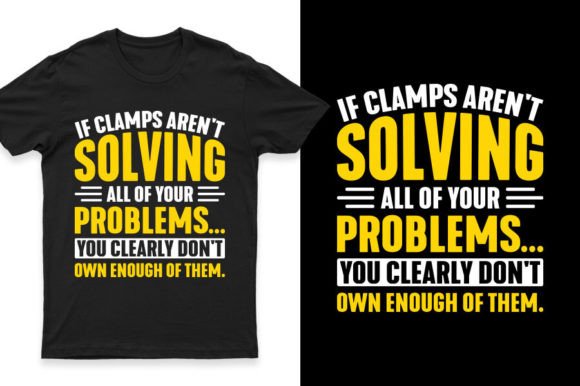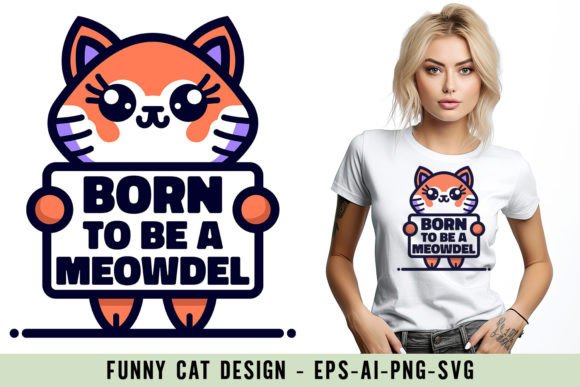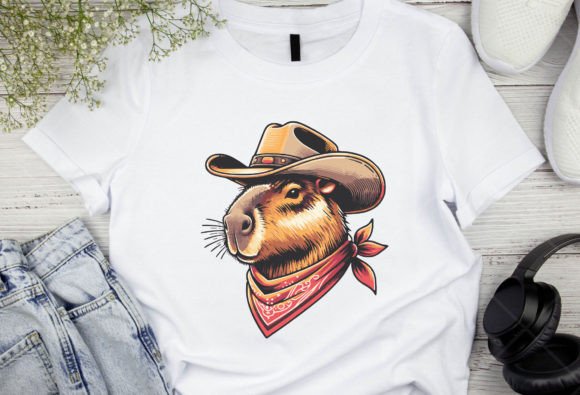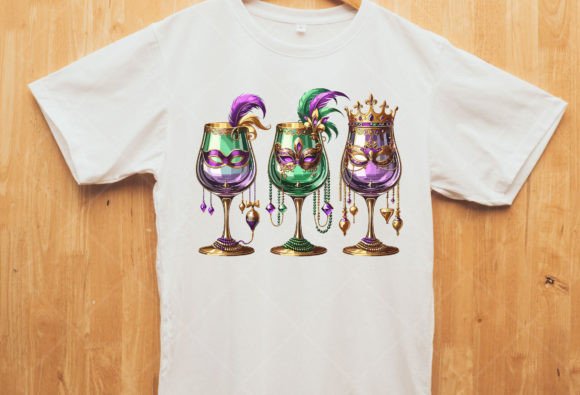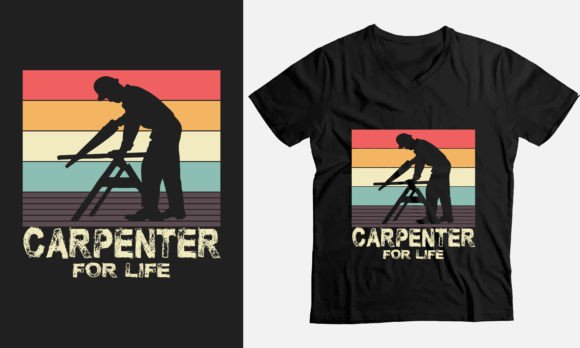
Funny Woodworkers and Carpenters T-shirt
As a designer who spends more time looking at stitch lines than actual fabric, I approach every new digital asset with a mix of curiosity and skepticism. When I first pulled up the Funny Woodworkers and Carpenters T-shirt template design from Creative Fabrice store “Creative T-shirt Designer”, my initial reaction was practical: does this actually translate well to thread? In the world of machine embroidery, what looks good on a screen often falls apart under the needle. This T-Shirt Designs category is crowded, but this specific Graphics entry caught my eye not just for its humor, but for its potential as a viable commercial product.
I am writing this review from the perspective of someone who has stitched hundreds of these files, both for personal gifts and for small business inventory. My goal here is to strip away the marketing fluff and look at how this machine embroidery design behaves in real-world applications. If you are an Etsy seller, a craft fair vendor, or a hobbyist looking to create high-quality custom apparel, you need to know if this file will save you time or cause frustration during production.
The First Impression: Mood and Layout
The visual personality of the Funny Woodworkers and Carpenters T-shirt leans heavily into rustic charm mixed with dry humor. For woodworkers and carpenters, their trade is tactile and messy; it involves sawdust, sweat, and precision. A design that acknowledges this with a laugh creates an instant emotional connection. The layout feels balanced, avoiding the cluttered look that plagues many novelty designs. It doesn’t scream for attention; it invites a smile.
From a design standpoint, the shape and detail level suggest a moderate complexity. It isn’t a simple text-only overlay, nor is it an overly intricate pictorial scene that requires hours of trimming. This middle ground is where most successful embroidery project assets live. The visual weight is distributed evenly, which is crucial when we move from the digital preview to the physical hoop. It feels like a design meant to be worn proudly by someone who works with their hands.
Real-World Application: Where Does It Shine?
I recently evaluated this file for a potential batch of handmade product listings targeting local tradesmen. The versatility of the Funny Woodworkers and Carpenters T-shirt graphic allows it to shine across several categories beyond just standard tees. Here is how I see it performing in specific scenarios:
- Sweatshirt Embroidery: This is perhaps the strongest use case. Heavy cotton fleece holds stitches beautifully, and the contrast between the dark fabric and bright threads can make the humor pop. It fits perfectly as a cozy, branded item for winter holidays or shop uniforms.
- Tote Bag Design: Canvas totes are staples for any craft business. Using this design on a sturdy canvas bag appeals to the same demographic. It turns a utilitarian item into a conversation starter. The durability of the stitching matches the rugged nature of the theme.
- Aprons and Kitchen Towels: While the title says T-shirt, the graphic works surprisingly well on home goods. An embroidered apron featuring this design adds a professional yet playful touch to a workshop or kitchen setting. It serves as an excellent personalized gift for anniversaries or birthdays.
- Embroidered Patch: Converting this into a patch format is a smart move for small shop product diversification. Patches allow customers to attach the design to hats, jackets, or toolboxes, expanding the utility of the original digital embroidery file.
For commercial embroidery purposes, this design hits a sweet spot. It is recognizable enough to stand out in a stack of merchandise but subtle enough to not feel childish. It respects the intelligence of the buyer while acknowledging their passion.
Technical Considerations and Stitch Analysis
When reviewing any embroidery file, I always think about the mechanics of the stitch-out. The Funny Woodworkers and Carpenters T-shirt likely utilizes a mix of satin stitch for outlines and lettering, and fill stitch for broader graphical elements. There may also be running stitch used for fine details or texture, depending on the artist’s interpretation.
The stitch density is critical here. If the design is too dense, it can become stiff and uncomfortable to wear, especially on t-shirts. If it is too sparse, it might look unfinished on textured fabrics. Based on the typical style of such graphics, I expect a balanced density that provides coverage without adding excessive bulk. However, because exact technical specifications are not provided in the source material, it is imperative that you check the file properties before committing to a large run.
Thread color selection plays a huge role in the final aesthetic. On a white tee, you have freedom to choose vibrant colors. On a heather grey or black shirt, you must ensure there is enough contrast so the design remains legible. Testing in black and white mockups is a pro tip that helps verify readability regardless of color choices.
Where to Use It Carefully
No design is perfect for every surface. There are specific situations where the Funny Woodworkers and Carpenters T-shirt design might struggle:
- Small Hoop Sizes: If the design exceeds your machine’s smallest hoop capacity, you will face registration issues or awkward cropping. Always confirm the hoop size requirements.
- Stretchy or Thin Fabrics: Lightweight jersey or synthetic blends can pucker if the stabilizer choice is incorrect. This design may require a cut-away stabilizer to maintain integrity over time.
- Curved Surfaces: Applying this to caps or curved hat fronts requires significant digitizing adjustment to account for distortion. Flat surfaces like tote bags or folded shirts are much safer bets.
- Dense Stitch Areas: Avoid placing heavy fill areas directly over seams or pockets, as this can create uncomfortable lumps and increase the risk of thread breakage.
Practical Advice for the Designer
Before you add this to your catalog or start stitching for clients, follow these essential steps to ensure quality control:
- Test on Scrap Fabric: Never trust a screen preview blindly. Stitch the design on the actual fabric type you plan to sell. Check how the fabric texture interacts with the threads.
- Check Stabilizer Compatibility: The right stabilizer makes the difference between a professional finish and a warped mess. Match the stabilizer weight to the garment weight.
- Inspect Small Details: Zoom in on the digital file. Are there tiny elements that might get lost in the stitching process? If so, consider simplifying or enlarging those areas.
- Confirm Licensing: As a responsible creative entrepreneur, you must verify the license terms. Does the purchase allow for commercial use of finished items? Can you sell digital previews? Clarify this with “Creative T-shirt Designer” to avoid legal issues.
- Create Printable Mockups: High-quality printable mockup images help sell the vision. Show the design on different garments and angles to give buyers a realistic expectation of the finished product.
Final Verdict
The Funny Woodworkers and Carpenters T-shirt template design is a solid addition to any graphics library aimed at the trades market. It balances humor with professionalism, making it suitable for a wide range of apparel decorators and makers. It works best on stable fabrics like cotton, denim, and canvas, and shines as a personalized gift or boutique branding element.
While I cannot provide exact stitch counts or file formats without access to the raw data, the visual cues suggest a well-thought-out composition that rewards careful execution. By testing thoroughly, choosing appropriate materials, and respecting licensing agreements, you can turn this digital asset into a profitable and beloved handmade product. It is not just a joke on a shirt; it is a celebration of craftsmanship, stitched into existence.